 What Colour Does When the World Breaks
On art, war, and why I keep painting joy
Today is Armistice Day. This morning, before I picked up a brush, I stood in the studio with a cup of tea and let the quiet settle. Eleven o'clock has a particular weight to it. The whole country pauses, and for two minutes you can almost hear everything that was lost.
I've been thinking about war and art a great deal lately. I'd like to share where those thoughts have taken me.
Art has always been where we take our grief
Long before there were headlines, there were artists standing in the wreckage with a pencil or a brush.
Goya etched The Disasters of War and refused to look away. Picasso gave us Guernica, a scream in black, white and grey. Paul Nash painted the churned, ruined fields of the Western Front, and called one canvas We Are Making a New World with a bitterness you can feel in every brushstroke.
These works don't comfort us. They bear witness. They say: this happened, and it mattered.
I have enormous respect for that kind of art. It is necessary.
But what about what comes after?
Here is the part that interests me most. War doesn't end when the guns stop. It lives on in bodies, in families, in the way a person flinches at a loud noise, in the silence at the dinner table, in a grandfather who never spoke of it.
That aftermath is where my own work lives.
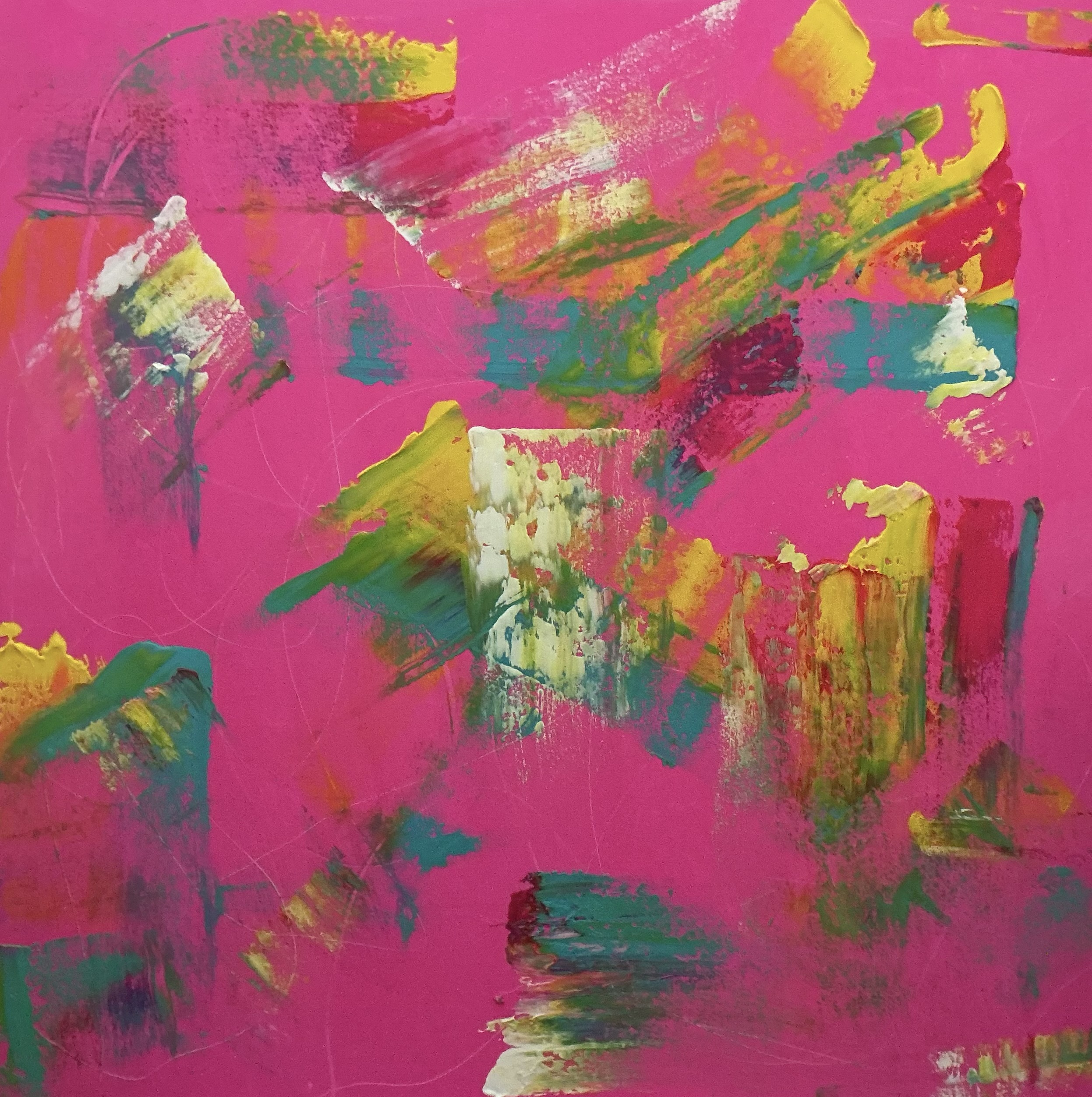
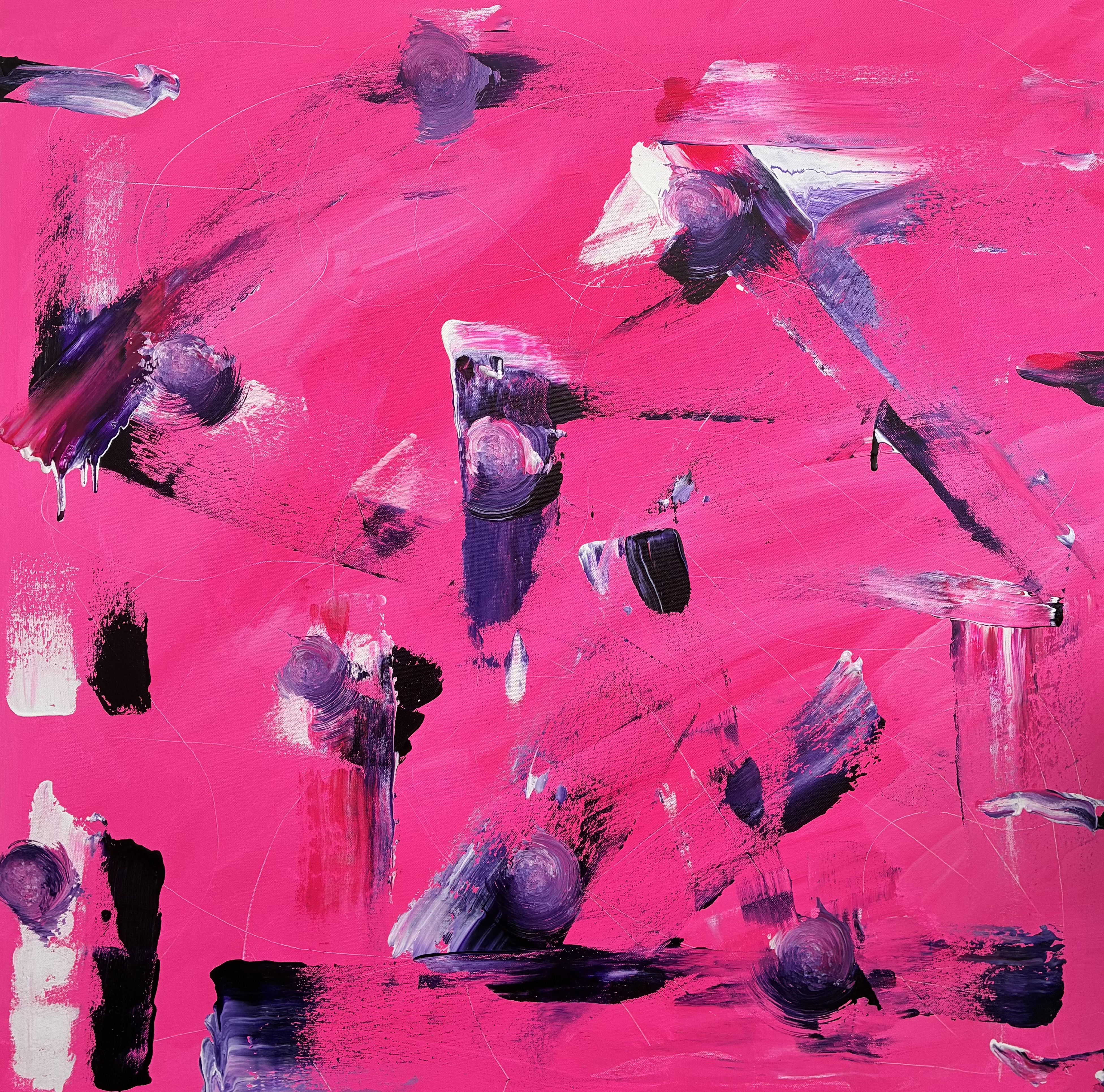
My training in psychology taught me that the mind has its own weather. Trauma leaves its marks, and so does recovery, slowly, in layers. When I paint, I think of that process physically. I build up texture, scrape it back, add tissue and paste, and let the surface carry the history of what it has been through. Nothing is erased. Everything is held.
I don't paint battlefields. I paint the emotional climate that follows the storm: the first warmth after a long cold, the late light that touches a room when you thought the day was over, the strange tenderness of simply being alive.
Why I choose colour
People sometimes ask whether bold, joyful colour feels frivolous in a world that is so often at war.
I'd say the opposite.
Choosing joy is not denial. It is a decision made with open eyes. Those who have come through the worst are so often the ones who understand most deeply why light matters. Colour, for me, is not decoration. It is a form of resilience. It is the part of us that refuses to be extinguished.
I paint to soften what hurts. I'm not trying to hide the pain. I'm trying to keep company with it, and to leave a little more energy in the room than there was before.
The places that shape me
My work draws on three places, and each carries its own emotional weather:
• Bolton: grounding, safe, full of grit and humour. It reminds me what home feels like.
• New York: electric, noisy, ambitious. A city that never stops insisting on possibility.
• Granada: warm, golden, ancient. Beauty that has outlasted empires.
None of these are literal scenes. They are feelings. Together they form something like a map of what helps us endure: safety, momentum and warmth.
A painting as a presence
When someone lives with one of my originals, I hope it works quietly. Not as a history lesson, and not as a loud statement, but as a companion. Something that shifts the atmosphere of a room and the mood of the person walking into it at the end of a hard day.
That matters to me more than anything. Art can't stop wars. But it can help us stay human while we live through them, and help us heal afterwards.
A moment for you
If you have two minutes today, try this:
1. Stand still and be quiet.
2. Think of someone whose life was shaped by conflict, in your family or far beyond it.
3. Then look around for one thing in your space that brings you light. A colour. A texture. A picture on the wall.
Hold on to that. It matters more than you think.
---
If you would like to talk about an original painting, or a commission made around a feeling you want to live with, I'd love to hear from you. Visit carolineboff.co.uk or simply reply to this post.
Caroline Boff FRSA